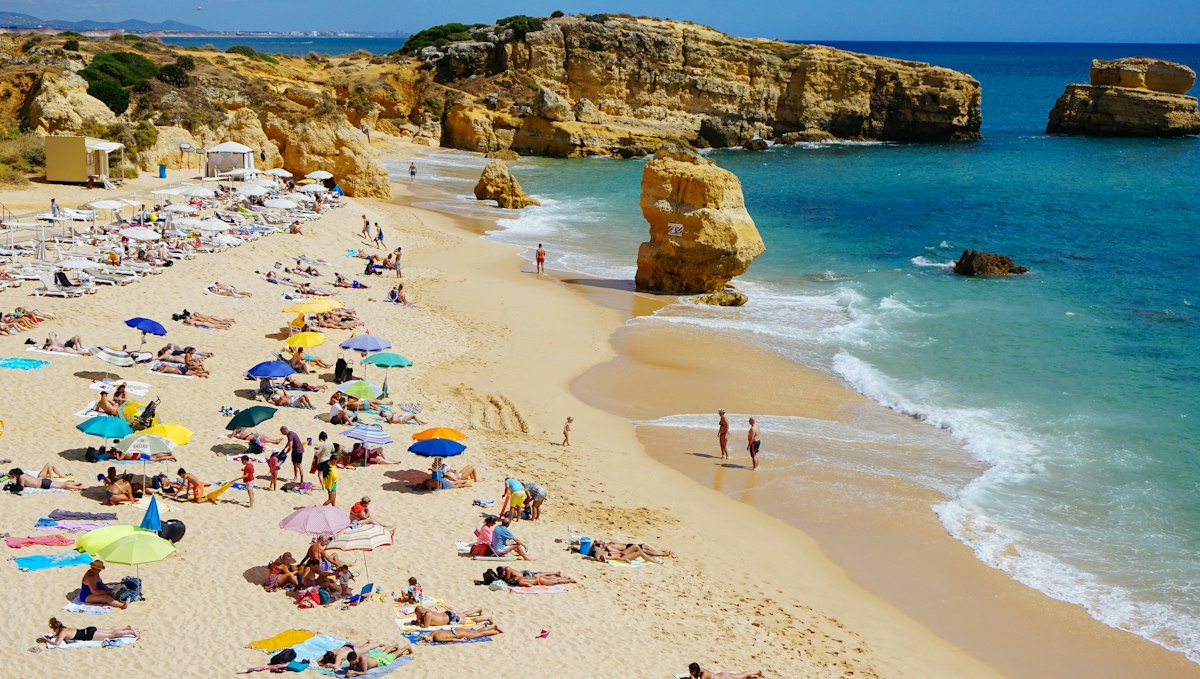
About American Samoa National Park
Protects coral reefs, rainforests, and volcanic islands in the South Pacific while preserving Samoan culture and traditions.
Highlights
- Coral reefs
- Rainforest hikes
- Cultural villages
- Secluded beaches
Why Visit American Samoa National Park
American Samoa National Park is a concentrated collection of signature scenery, approachable hikes, and dramatic light. Within a compact footprint near gateway towns, American Samoa National Park combines roadside viewpoints with short to moderate trails that deliver outsized rewards. For first‑timers, American Samoa National Park is an easy win; for photographers and hikers, American Samoa National Park keeps paying off with new angles and changing skies.
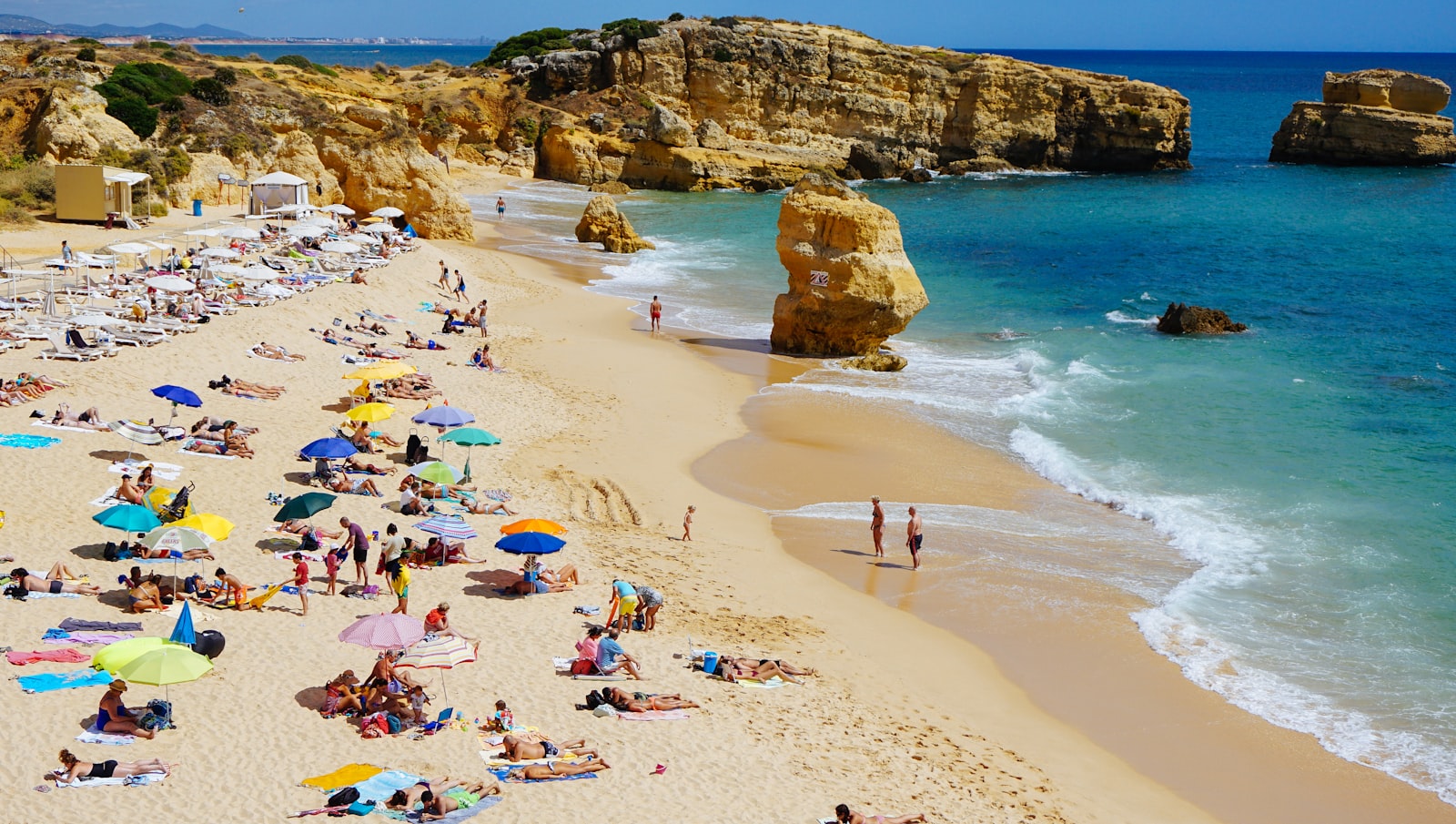
Best Time to Visit American Samoa National Park
The best overall months for American Samoa National Park are spring and fall when temperatures are comfortable and clarity is excellent. Summer remains beautiful but hot—start before sunrise, rest at midday, and save a golden-hour hike for evening. Winter in American Samoa National Park is the quiet season: you may find frost, thin crowds, and big starry skies.
- Spring: cool mornings, mild afternoons, dynamic skies.
- Summer: plan pre‑dawn starts, carry at least 3L of water per person.
- Fall: stable weather, clear air, and flattering light for wide vistas.
- Winter: peaceful trails; watch for ice on steps and slickrock.
Top Things To Do in American Samoa National Park
Signature Hike
A classic half‑day route that showcases the park’s hallmark scenery. Start early to secure parking and enjoy cooler temperatures.
Family‑Friendly Windows and Viewpoints
Short loops and pullouts deliver towering formations with minimal effort—ideal for sunrise, sunset, and tripod work.
Extended Loop for Confident Hikers
Continue beyond the headline viewpoint for a primitive loop with light route‑finding and slickrock sections. Check forecasts and wear grippy footwear.
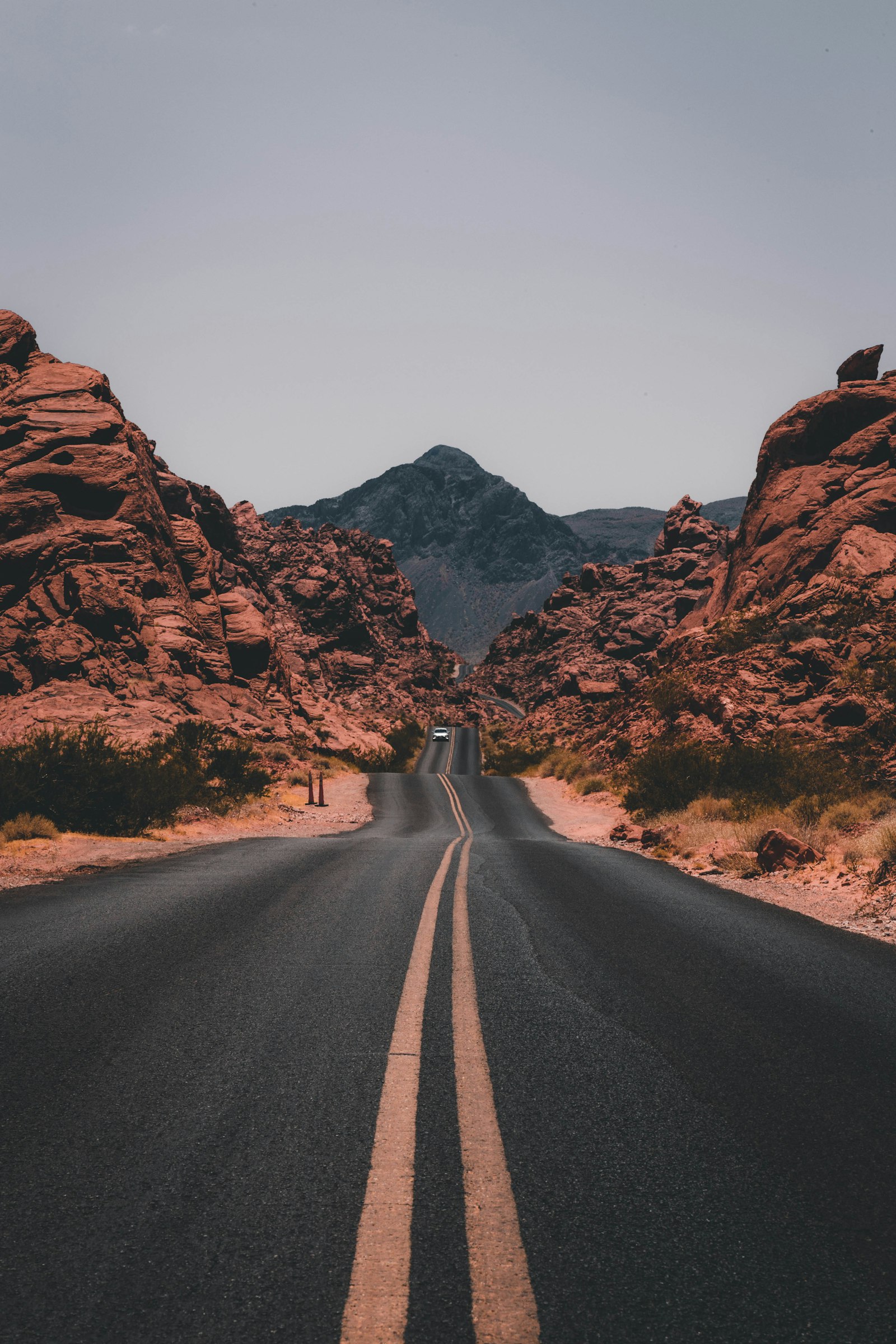
2‑Day Itinerary for American Samoa National Park
- Day 1: Sunrise at easy viewpoints → scenic drive pullouts → long mid‑day break → late‑afternoon headline hike for sunset.
- Day 2: Pre‑dawn start for the signature trail network → optional side loops → blue‑hour photos on the way out.
For step‑by‑step timing, parking, and photo notes, browse related topics below.
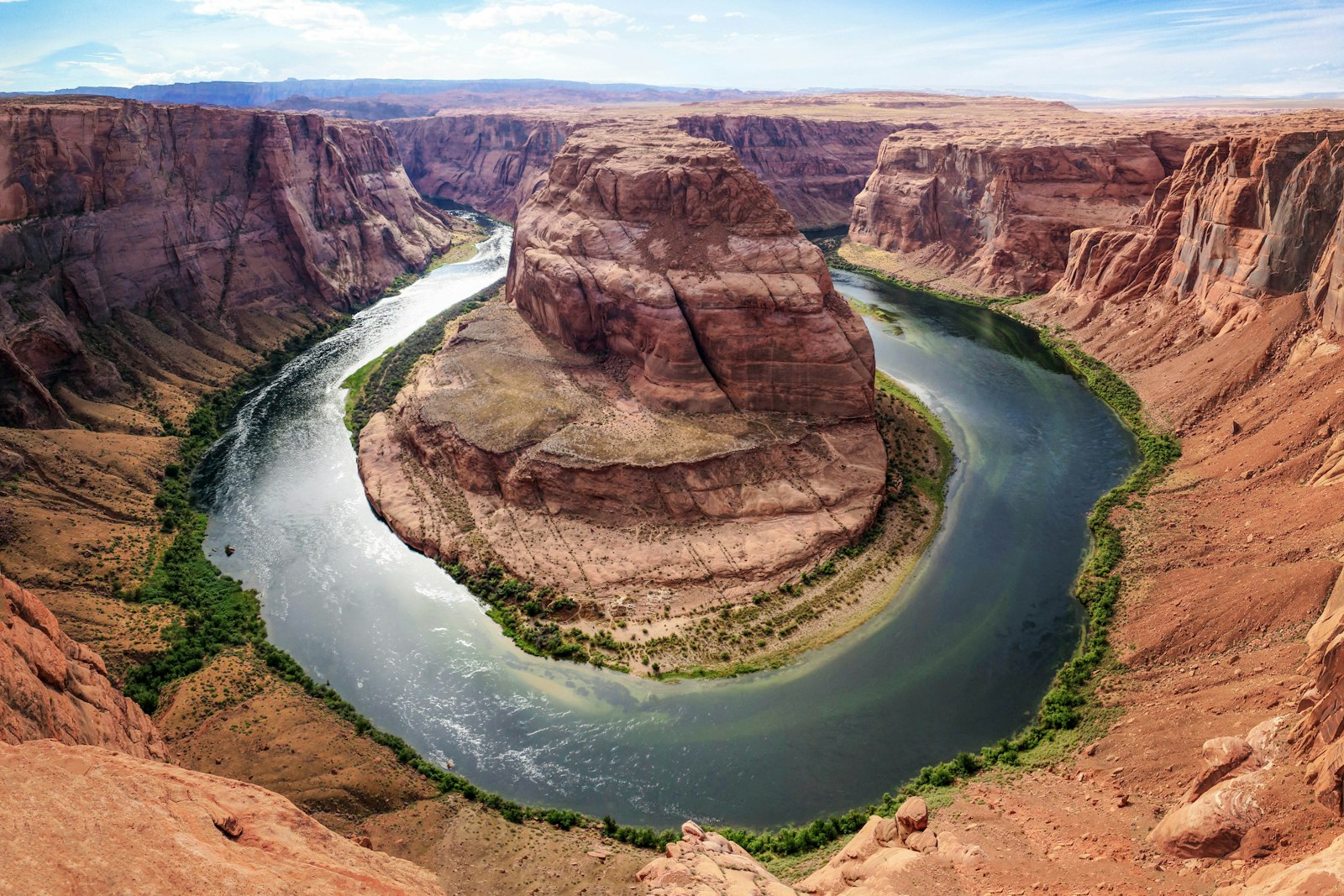
Practical Guide: Getting There, Fees, Permits
- Getting There: fly into the nearest regional hub and drive to the gateway town. The park entrance is often 10–30 minutes from lodging.
- Fees: private vehicle pass (7 days) or the America the Beautiful annual pass.
- Reservations: peak seasons may use timed entry; some areas require permits or guided tours—always confirm on the NPS site.
- Supplies: water fills can be limited—carry what you need; pack sun protection and layers.
Where to Stay near American Samoa National Park
Stay in the nearby gateway town for easy pre‑dawn starts and late returns. In‑park campgrounds book early. Dispersed camping on public land may be available—follow local rules and Leave No Trace principles.
Safety & Leave No Trace
Trails often traverse slickrock or sand. Wear shoes with reliable grip, hydrate generously, and carry a headlamp for any sunset returns. Stay on durable surfaces, keep off cryptobiotic soil, and never stack rocks. Keep a safe distance from edges and arch openings.
Accessibility
Many viewpoints and short paths are paved or hard‑packed. Check the NPS Accessibility page for gradients and facilities. A scenic‑drive‑plus‑short‑walks plan still delivers the essence of American Samoa National Park.
Features of American Samoa National Park
- Iconic formations and classic photo angles
- Rewarding short hikes and photogenic pullouts
- Big desert light at sunrise and sunset
- Dark‑sky stargazing opportunities
- Easy pairing with neighboring parks
FAQs about American Samoa National Park
Do I need a reservation to enter?
During peak seasons the park may use timed entry. Certain areas require guided tours or permits—confirm on the NPS site.
When is the headline hike best?
The last 60–90 minutes before sunset often deliver the most dramatic color. Start early to manage parking, heat, and crowds.
How much water should I carry?
Plan on a minimum of 3 liters per person for half‑day hikes in warm months, plus electrolytes and sun protection.
Where should I stay?
Gateway towns offer the broadest lodging and food options; in‑park camping books months ahead.
Can I see the highlights in one day?
Yes—stack a sunrise loop, a scenic drive, and a sunset hike. Two days are better if you want the extended loop and night skies. American Samoa National Park rewards unrushed planning and well‑timed light. Start at dawn for quieter overlooks, schedule a mid‑day reset, and finish with a golden‑hour hike. Set conservative turn‑around times, carry ample water and sun protection, and use shuttle or pullouts to reduce parking stress. With a realistic pace and flexible weather plans, you’ll see American Samoa National Park at its best without feeling rushed.