Yellowstone National Park
America's first national park, famous for its geothermal wonders, wildlife, and the iconic Old Faithful geyser.
Discover America's most spectacular natural wonders with detailed trail guides, interactive maps, and insider tips for your perfect adventure
From towering mountains to pristine lakes, ancient forests to dramatic canyons, America's national parks offer unparalleled natural beauty and adventure opportunities.
Interactive maps with GPS coordinates, elevation profiles, and real-time conditions
Best times to visit, weather patterns, and seasonal highlights for each park
Itineraries, lodging options, permit info, and insider tips from park experts
Real experiences and ratings from thousands of fellow adventurers
Start your journey with America's most visited and beloved national parks, each offering unique landscapes and unforgettable experiences.
America's first national park, famous for its geothermal wonders, wildlife, and the iconic Old Faithful geyser.
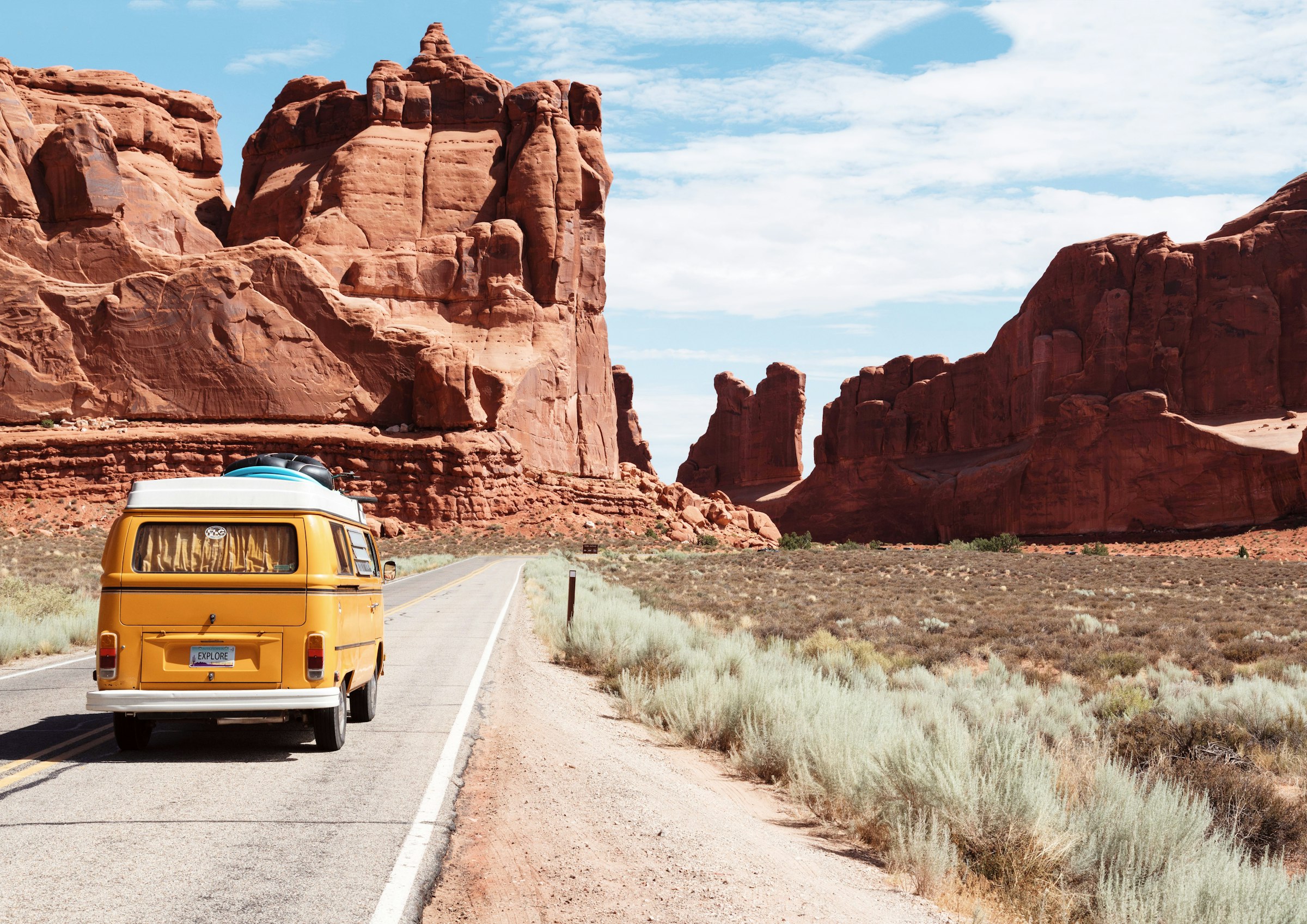
Arches National Park preserves more than 2,000 natural sandstone arches, fins, and spires near Moab—pairing short, rewarding hikes with epic desert scenery.
Located along Maine’s Atlantic coast, Acadia protects rocky headlands, forests, and Cadillac Mountain — the highest point on the U.S. Atlantic coast.
Protects coral reefs, rainforests, and volcanic islands in the South Pacific while preserving Samoan culture and traditions.
Known for sharply eroded buttes, pinnacles, and spires set against mixed-grass prairie and rich fossil beds.
Encompasses desert, river canyons, and mountain ranges along a sweep of the Rio Grande; known for remote wilderness and biodiversity.
Mostly water park protecting coral reefs, islands, and mangrove shorelines just offshore from Miami.
Protects the steepest and most dramatic section of the Gunnison River canyon with sheer walls and narrow gorges.
Famous for its amphitheaters of red rock hoodoos, Bryce Canyon offers dramatic overlooks and easy access to trails through unique formations.
Canyonlands preserves a vast high-desert landscape carved by the Colorado River into mesas, canyons, and buttes. The park is divided into four districts, each with unique scenery.
Defined by the Waterpocket Fold, Capitol Reef features colorful cliffs, domes, narrow canyons, and historic orchards at Fruita.
Known for more than 119 caves, including the Big Room — one of the world’s largest cave chambers — with spectacular limestone formations.
Popular parks require reservations months in advance, especially for camping and lodging.
Many trails and backcountry areas require permits. Apply early through Recreation.gov.
Trail conditions change seasonally. Check park websites for closures and warnings.
Beat crowds and heat by starting hikes early. Parking fills up quickly at popular trailheads.
Get weekly guides, trail updates, seasonal recommendations, and exclusive tips delivered to your inbox.
Join 50,000+ nature enthusiasts. Unsubscribe anytime.
The United States is home to 63 national parks, each preserving unique landscapes, ecosystems, and cultural heritage. These protected areas showcase the country's most spectacular natural wonders, from the geothermal features of Yellowstone to the granite cliffs of Yosemite.
When choosing the best national parks to visit in the US, consider factors like seasonal accessibility, trail difficulty, and your personal interests. Whether you're seeking challenging backcountry adventures, family-friendly trails, or scenic drives, America's national parks offer experiences for every type of traveler.
The best national parks to visit in the US vary by season and interest, but consistently popular choices include Yellowstone for wildlife and geysers, Yosemite for dramatic waterfalls and rock formations, Grand Canyon for breathtaking vistas, and Zion for stunning slot canyons. Each park offers unique trails, from easy nature walks to challenging multi-day backpacking routes.
Research the best national parks to visit in the US based on your interests and the time of year. Summer offers access to high-elevation trails, while spring and fall provide pleasant weather and smaller crowds.
Book accommodations and entrance passes well in advance. Many of the best national parks to visit in the US require timed entry permits or camping reservations, especially during peak season.
Select trails matching your fitness level and interests. Download offline maps, check trail conditions, and prepare proper gear for safely exploring the best national parks to visit in the US.
The top 5 best national parks to visit in the US for beginners are: 1) Yellowstone for its diverse attractions and wildlife, 2) Grand Canyon for iconic views accessible from the rim, 3) Yosemite for its valley floor trails and waterfalls, 4) Zion for the scenic Riverside Walk, and 5) Rocky Mountain for its accessible alpine scenery. These parks offer excellent visitor facilities and trails for all skill levels.
The best time varies by park. Generally, April-May and September-October offer pleasant weather and fewer crowds at most parks. Summer (June-August) provides full access to high-elevation trails but expect larger crowds. Winter offers solitude but limited accessibility. Desert parks like Joshua Tree and Death Valley are best visited October-April.
Yes, many of the best national parks to visit in the US now require advance reservations, especially during peak season. Parks like Yosemite, Glacier, and Rocky Mountain require timed-entry permits. Camping reservations should be made months in advance. Check Recreation.gov and individual park websites for current requirements.
Most national parks charge $30-35 per vehicle for a 7-day pass. The America the Beautiful Annual Pass ($80) provides access to all national parks for one year and is excellent value if visiting multiple parks. Additional costs include camping ($10-50/night), backcountry permits ($5-35), and lodging inside parks ($150-600/night).
Essential items include: sturdy hiking boots, layered clothing, rain jacket, sun protection (hat, sunglasses, sunscreen), plenty of water (3+ liters for day hikes), snacks, first-aid kit, map/GPS, headlamp, and bear spray in certain parks. Pack according to season and elevation - mountain parks can be cold even in summer.
Family-friendly parks include Yellowstone (wildlife and geysers), Great Smoky Mountains (easy trails and wildlife), Acadia (tide pools and carriage roads), Grand Canyon (rim trails), and Bryce Canyon (easy rim trail). These parks offer junior ranger programs, short trails, and fascinating features that capture children's imagination.
Joshua Tree, Death Valley, Saguaro
Rocky Mountain, Grand Teton, Glacier
Acadia, Olympic, Channel Islands